The Power of Fear: When a Stephen King Horror Film Becomes "Too Scary"
Can a horror film truly be "too scary"? This question often sparks debate among cinephiles and genre enthusiasts, but for the team behind the latest Stephen King horror film, The Boogeyman, the answer was a resounding yes. Originally slated for a streaming-only release, this adaptation of King's chilling short story embarked on an unexpected journey, ultimately earning a coveted theatrical run thanks to overwhelmingly positive test screenings. However, this success came with a unique challenge: one particular moment of terror proved so potent that it forced the filmmakers to go back to the editing suite.
The story of The Boogeyman's recut is a fascinating case study in the delicate balance between crafting bone-chilling horror and ensuring an engaging narrative. It highlights the profound impact a well-executed scare can have, sometimes to the detriment of the story itself, and underscores the enduring legacy of a Stephen King horror film in captivating — and terrifying — audiences.
From Streaming to Silver Screen: The Unexpected Journey of The Boogeyman
The path to the big screen for The Boogeyman was anything but conventional. Initially, the film, based on King's 1973 short story from the Night Shift collection, was destined for a direct-to-streaming release. This approach, increasingly common for mid-budget genre fare, allows studios to bypass the financial risks of a theatrical launch. However, something extraordinary happened during its test screenings: the film resonated so powerfully with audiences that it demanded a wider release.
The feedback was overwhelmingly positive, so much so that 20th Century Studios, recognizing its potential, upgraded it to a full theatrical release. This decision speaks volumes about the quality of the adaptation and its ability to connect with viewers on a visceral level. Actor David Dastmalchian, who features in the film, further fueled the hype, promising one of the "scariest movies I've seen in a long time." While his involvement naturally makes him a biased party, the subsequent revelations from director Rob Savage suggest his claims might not have been exaggerated. The anticipation for this particular Stephen King horror film adaptation grew exponentially, setting a high bar for its on-screen terror.
For any horror film, a theatrical release signifies a stamp of confidence, suggesting that the studio believes it has the power to draw audiences out of their homes and into the shared, communal experience of fear. For a Stephen King horror film, it carries an even greater weight, as King adaptations have a rich history of box office success and critical acclaim, from Carrie to It. The journey of The Boogeyman from a planned streaming debut to a major theatrical release positioned it as a standout event in the horror landscape.
The Moment That Broke the Audience: Why The Boogeyman Was Recut
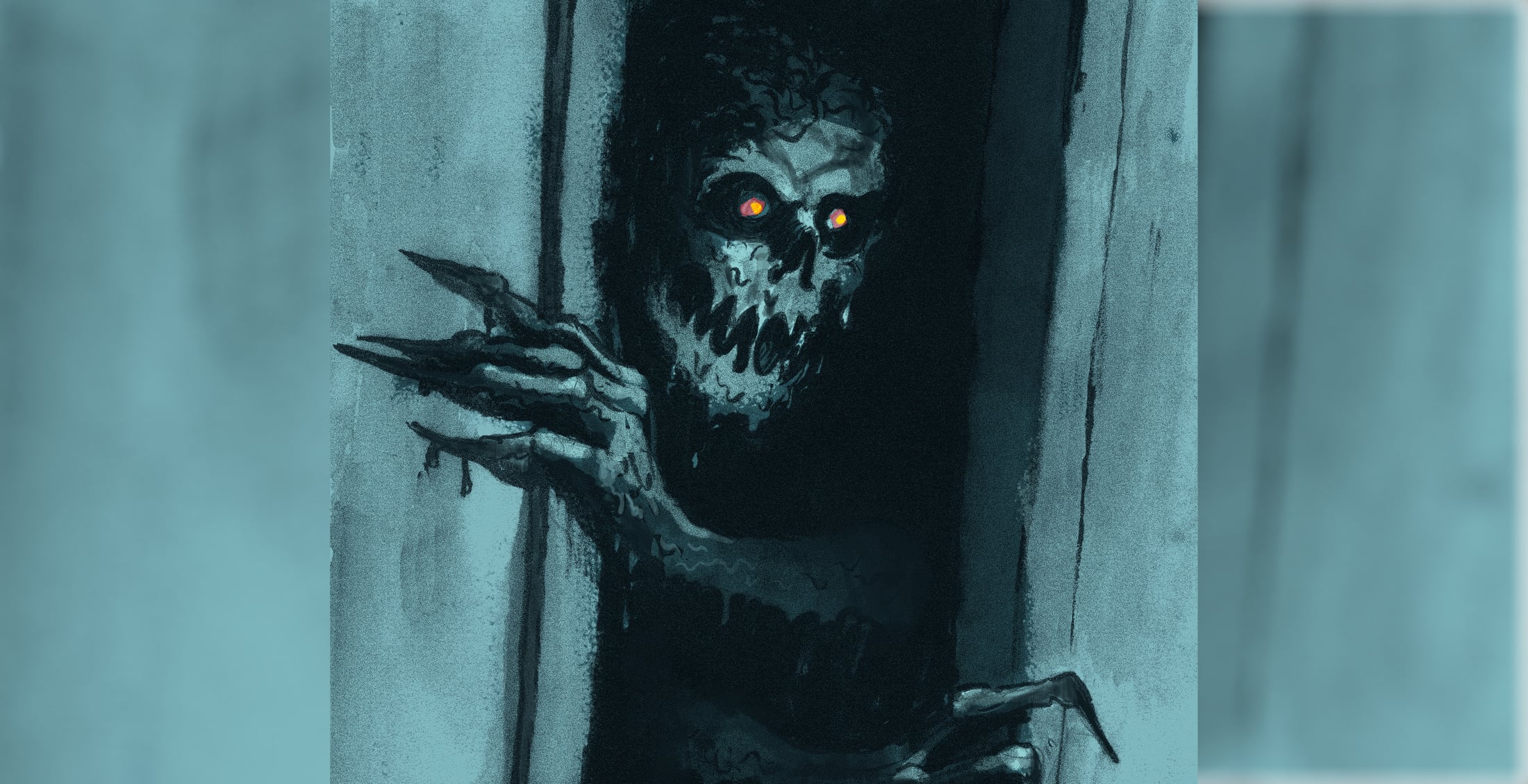
The definitive proof of The Boogeyman's terrifying efficacy came directly from director Rob Savage. In an interview with Empire magazine, Savage recounted a pivotal moment during test screenings that necessitated a significant recut. "When you first see the creature, the test audience screamed so loud," Savage explained. This initial reaction, while seemingly a victory for a horror director, quickly spiraled into an unintended consequence. "And then they immediately started talking to the people next to them and talking and they missed the next lines of dialogue."
This presented a unique conundrum for the filmmakers. The scare was effective, perhaps *too* effective, to the point where it disrupted the narrative flow. An audience so overwhelmed by a jump scare, or any moment of intense terror, that they miss crucial plot points is not ideal. Horror relies on a delicate balance: terrifying the audience while still guiding them through the story. Missing dialogue means missing information, which can lead to confusion and disengagement, ultimately detracting from the overall cinematic experience.
Savage's solution was both pragmatic and revealing: "So we had to re-cut the scene and insert 45 seconds of filler material so that the audience wouldn't miss important information." This "filler material" would likely involve holding on a reaction shot, a lingering shot of the environment, or a brief moment of quiet dread, allowing the audience to process their fear and re-center themselves before the next wave of dialogue or plot progression. It highlights the meticulous craft involved in horror filmmaking, where even a perfectly executed scare can have unforeseen narrative implications.
Savage, a self-proclaimed fan of jump scares – those sudden, loud shocks often accompanied by a visual fright – understands their power. He noted, "It's just so satisfying when you see how it plays out in front of an audience and you feel them take the bait and then the jump scare fires." This perspective offers insight into the director's enjoyment of manipulating audience emotions. However, the incident with The Boogeyman underscored that even for a master of fright, there's a fine line between a thrilling jolt and an overwhelming sensory overload that obstructs the storytelling.
Stephen King's Verdict: A Master of Horror Scared by His Own Creation
Perhaps the most compelling endorsement of The Boogeyman's terrifying power came from the master himself, Stephen King. Director Rob Savage revealed the harrowing experience of screening the film for King at his personal cinema in Maine. "I didn't go because I was afraid he wouldn't stand the film, like he did with 'The Shining'," Savage confessed, referring to King's well-documented disapproval of Stanley Kubrick's adaptation of his novel.
The anticipation and anxiety surrounding King's reaction were palpable. Yet, the outcome was resoundingly positive. Savage recounted, "But apparently he jumped several times and then sent a very, very sweet message to everyone who worked on the film." The ultimate seal of approval arrived the next morning. "And the next morning I got an email with the subject 'From Stephen King' in which he wrote that he was still thinking about my film the next morning."
This is high praise indeed from an author renowned for crafting tales that linger in the reader's mind long after the final page. For a Stephen King horror film to genuinely unnerve its creator is a testament to its effectiveness. It suggests that Savage managed to capture the essence of King's original vision while imbuing it with his own brand of cinematic dread. King's endorsement not only validates the film's scares but also positions it within the pantheon of successful adaptations of his work, a significant achievement given his discerning taste.
The Enduring Legacy of Stephen King: Shaping Modern Horror
Stephen King's influence on the horror genre is undeniable and pervasive. From the gritty psychological terror of Misery to the cosmic dread of It, his bibliography is a veritable bible for fear. King himself once famously described his work as the literary equivalent of a "Big Mac with fries" – a deliciously satisfying, albeit sometimes greasy, indulgence. This analogy, humble yet accurate, perfectly encapsulates the widespread appeal and accessibility of his stories, which resonate with millions worldwide.
In the 1990s, when significant horror films were a rarer commodity in cinemas, King's novels were often the primary gateway for teenagers discovering their appetite for fright. His ability to ground supernatural horrors in relatable human experience – grief, trauma, addiction, childhood fears – gives his stories a profound resonance. They aren't just about monsters; they're about the monsters within and the darkness that lurks in everyday life.
Today, with horror saturating streaming platforms and dominating box offices, King's legacy continues to thrive. His stories are constantly being adapted, re-adapted, and celebrated, ensuring that new generations encounter his unique brand of terror. What makes a Stephen King horror film so enduringly popular is often its commitment to character development and psychological tension, building dread slowly before unleashing its full force. The success of The Boogeyman in terrifying audiences and, more importantly, King himself, solidifies its place as a worthy addition to this rich lineage.
King's genius lies not just in creating memorable monsters but in exploring the human condition through the lens of fear. His adaptations succeed when they capture this emotional core, allowing the horror to feel earned and deeply personal. The recutting of The Boogeyman for being "too scary" is, in many ways, the ultimate compliment for a film attempting to translate the master's vision to the screen. It signifies that the filmmakers tapped into that raw, primal fear that lies at the heart of King's most effective work.
Conclusion
The journey of The Boogeyman, from a streaming-bound project to a theatrical release demanding a recut because it was simply too scary, is a testament to the enduring power of a well-crafted Stephen King horror film. Director Rob Savage faced the rare but enviable challenge of having created a moment so viscerally terrifying that it risked overwhelming the audience and disrupting the narrative. His decision to add "filler" footage was a clever solution, ensuring that the film could deliver its potent scares without sacrificing crucial storytelling elements.
Ultimately, the highest praise came from Stephen King himself, who found the film genuinely unsettling and thought-provoking. This stamp of approval not only validates the filmmakers' efforts but also reaffirms King's unparalleled influence on the horror genre. As audiences brace themselves for The Boogeyman, the story of its recut serves as a thrilling prelude, promising a cinematic experience that truly pushes the boundaries of fear while honoring the legacy of its legendary source material.