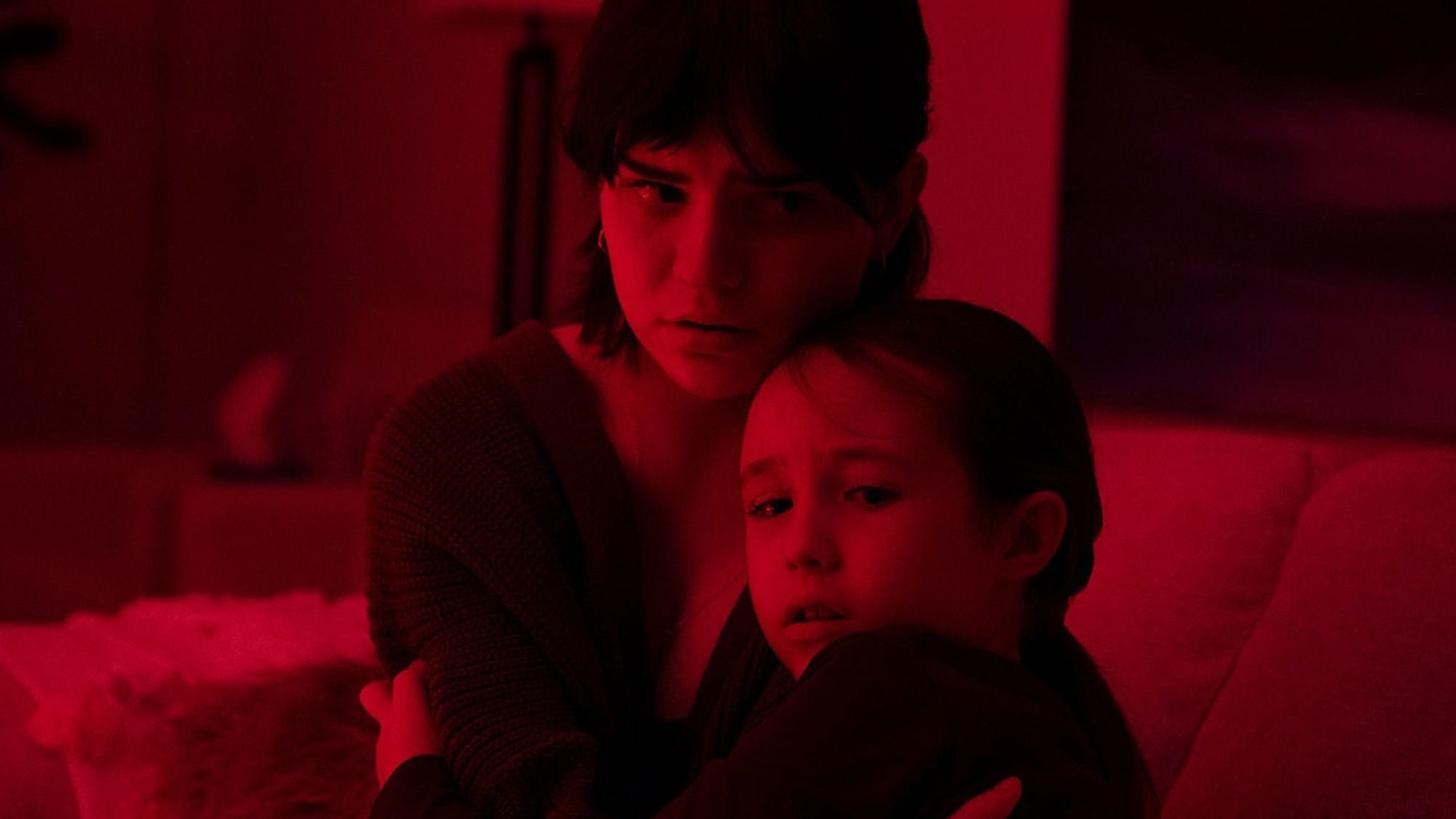
The Boogeyman: Is This Stephen King's Most Terrifying Film?
Stephen King. The name itself conjures images of lurking shadows, psychological dread, and primal fears brought vividly to life. For decades, his stories have been the backbone of the horror genre, inspiring countless adaptations for film and television. But can a new entry truly stand out in such a prolific and terrifying legacy? Enter
The Boogeyman, the latest
Stephen King horrorfilm to send shivers down spines, which has garnered significant buzz for a very peculiar reason: it was deemed *too scary* for its initial test audiences.
This intriguing fact immediately begs the question: in a landscape filled with increasingly graphic and intense horror, what makes
The Boogeyman so uniquely frightening that it required a recut? The answer lies not just in its jump scares, but in its ability to tap into deeper, more unsettling anxieties – a hallmark of King’s most effective work.
The Unnerving Truth: A Horror Film *Too* Terrifying?
In a world where horror fans actively seek out the most extreme cinematic experiences, the notion of a film being "too scary" might sound like a marketing gimmick. However, the story behind
The Boogeyman's post-test screening adjustments is anything but. Directed by Rob Savage, known for his found-footage pandemic horror
Host, the film adaptation of King's chilling short story apparently pushed audiences past their breaking point.
According to Savage himself, one particular moment featuring the titular creature prompted such an intense reaction that test viewers screamed so loudly and consistently they missed crucial dialogue that followed. "They immediately started talking to the people next to them and chattering and they missed the next lines of dialogue," Savage recounted to *Empire* magazine. The solution? Reshaping the scene to include an additional 45 seconds of "filler" material, allowing the audience time to recover from the shock before important plot points were revealed. This rare occurrence highlights a delicate balance filmmakers must strike: scaring the audience without disorienting them to the point of narrative disconnection. For a deeper dive into this fascinating process, read about
Stephen King's The Boogeyman: Why It Was Recut For Audiences.
Savage openly embraces jump scares, those sudden, loud bursts of terror designed to jolt viewers from their seats. He sees them not as cheap tricks, but as powerful tools when deployed effectively. When executed with precision, leading the audience down a path of increasing tension only to deliver a visceral shock, jump scares can be incredibly satisfying. The fact that
The Boogeyman's jump scares were *too* effective suggests a master at work, finely tuning dread to an almost unbearable degree. This level of psychological impact sets a high bar for any contender for the title of "most terrifying
Stephen King horrorfilm."
The Master's Seal of Approval: Stephen King Himself Gets Scared
Perhaps the strongest endorsement for
The Boogeyman’s terrifying potential comes directly from the source himself: Stephen King. King's relationship with adaptations of his work has been varied over the years, famously disliking Stanley Kubrick's
The Shining due to its departure from his original vision. So, when the horror maestro gives a new film his stamp of approval – especially for its fear factor – it speaks volumes.
Rob Savage was understandably apprehensive about showing the film to King, even admitting he didn't attend the screening in Maine due to fear of King's reaction. However, the outcome was overwhelmingly positive. King was reportedly "jumped several times" during the viewing and subsequently sent a heartfelt message to the cast and crew, praising their work. The ultimate validation came the following morning when King emailed Savage, stating he was "still thinking about your movie" – a profound compliment from an author whose stories have haunted generations. This personal seal of approval from King himself elevates
The Boogeyman to a special status, confirming its place among the truly effective adaptations of his work. Discover more about this incredible reaction in
Stephen King Himself Got Scared Watching The Boogeyman.
King's reaction is crucial because it speaks to a deep, resonant fear. It's not merely about being startled; it's about a film burrowing into the subconscious, leaving a lasting impression long after the credits roll. This is the essence of true horror, and it's something King has perfected in his prose. For an adaptation to achieve the same effect on him is a testament to its power.
Beyond Jump Scares: What Makes a Stephen King Horror Film Enduring?
While
The Boogeyman’s initial hype revolves around its visceral frights, the enduring appeal of a great
Stephen King horrorfilm lies in something more profound. King’s genius often stems from anchoring supernatural terror in relatable human experiences and psychological realism. His monsters are terrifying, but the real horror often emerges from within his characters, from dysfunctional families, unresolved trauma, or the insidious corruption of everyday life.
Consider the diverse range of his adaptations: from the coming-of-age terror of
It to the slow-burn psychological dread of
Misery, or the cosmic horror of
The Mist. What unites them is a focus on:
*
Deep Character Development: King invests heavily in his characters, making their fears and struggles feel authentic. When terror strikes, we genuinely care about their fate.
*
Exploration of Human Frailty: His stories often probe themes of grief, addiction, childhood trauma, and the darkness that lies beneath suburban veneers. The monsters are often metaphors for these internal battles.
*
Masterful Pacing and Atmosphere: While jump scares have their place, King’s best works build an oppressive atmosphere of dread, slowly tightening the screws until the audience feels genuinely trapped.
*
Relatability: Even in fantastical scenarios, King's stories tap into universal fears: fear of the dark, fear of loss, fear of the unknown, and the lurking monster under the bed – precisely what
The Boogeyman promises to deliver.
The German publication *DER SPIEGEL* once described King's voluminous work as the "literary counterpart to a Big Mac," a prolific and satisfying offering that consistently delivers. This analogy perfectly encapsulates his enduring influence; his stories are accessible, widely consumed, yet often contain surprising layers of depth and social commentary. In the 1990s, when significant horror films were a rarity in cinemas, King's books and their video adaptations were the primary gateway for teenagers discovering horror. Today, in a crowded streaming market, a theatrical release for a
Stephen King horrorfilm is a statement, signaling confidence in its ability to deliver a shared, potent terrifying experience.
The Enduring Legacy of the Stephen King Horror Film
The excitement surrounding
The Boogeyman isn't just about a new horror movie; it's about the continued legacy of the
Stephen King horrorfilm. It represents another chapter in a long history of bringing the author's nightmares to the big screen, often with groundbreaking results. From the telekinetic terror of
Carrie to the small-town dread of
'Salem's Lot and the epic struggle against Pennywise in
It, King's stories have shaped the genre and defined generations of fear.
Whether
The Boogeyman ultimately earns the title of King's "most terrifying film" is a subjective judgment that audiences will make for themselves. However, the evidence is compelling: a director who understands the art of the scare, a premise that taps into primal childhood fears, and an unprecedented reaction from both test audiences and Stephen King himself. This combination suggests that
The Boogeyman is not just another horror movie, but a significant entry in the terrifying canon of Stephen King's cinematic adaptations, proving that even after all these years, the Master of Horror still has the power to make us leave the lights on.